

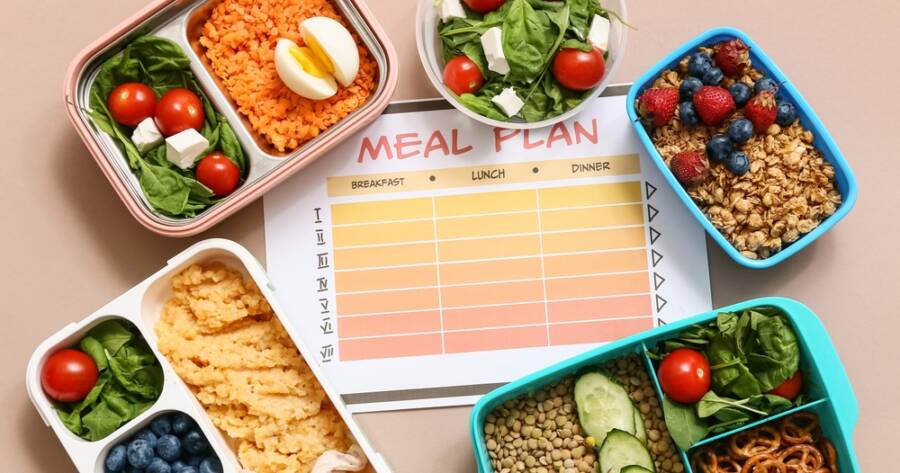
Food is one of the most common monthly expenses for American households. Without a clear plan, grocery trips can lead to impulse purchases and wasted food. Many families buy items they already have or forget ingredients needed for meals later in the week. Grocery list apps and meal planning tools help by organizing shopping and meal preparation in advance. With the right tools, households can shop more efficiently and reduce unnecessary food spending.
Why Meal Planning Helps Control Grocery Costs
Meal planning is the process of deciding what meals will be prepared during the week before going to the store. Instead of buying random ingredients, shoppers create a list based on specific recipes or meals.
This approach helps prevent duplicate purchases and reduces the chance of buying food that never gets used. When meals are planned ahead of time, the grocery list becomes focused on ingredients that will actually be needed.
Meal planning also makes it easier to check what items are already in the kitchen. If rice, pasta, or spices are already available, those items do not need to be purchased again. Over time, this habit can significantly reduce wasted food and unnecessary grocery spending. Another benefit is that planned meals make weeknight cooking easier. Instead of deciding what to cook at the last minute, the plan is already in place.
Using AnyList for Shared Grocery Lists
One popular grocery list app used in many households is AnyList. This app allows users to create and manage grocery lists on their phones or tablets. One helpful feature is the ability to share lists with other members of the household.
For example, one person may add items during the week as supplies run low. Another person can open the same list while shopping and see exactly what needs to be purchased. This prevents duplicate items from being added to the cart.
AnyList also allows items to be organized by grocery store sections such as produce, dairy, or frozen foods. This makes shopping faster because items appear in the order they are found in the store. The app also supports recipe storage. Users can save recipes and automatically add ingredients from those recipes directly to the shopping list.
Meal Planning With Paprika Recipe Manager
Paprika Recipe Manager is another popular tool that helps households plan meals and organize recipes. The app allows users to collect recipes from websites and store them in one digital location.
Once recipes are saved, users can build a weekly meal plan. Each planned meal can automatically generate a list of ingredients. Those ingredients can then be added to a grocery list within the app. This feature helps reduce guesswork when shopping. Instead of trying to remember every ingredient needed for a recipe, the app organizes everything in advance.
Paprika also allows users to scale recipes if they are cooking for different group sizes. This can help prevent buying too much food for meals that only require smaller amounts.
Budget-Friendly Planning With Mealime
Mealime is another app designed to simplify meal planning and grocery shopping. The app focuses on helping users choose meals for the week and automatically generate a grocery list.
Users select recipes based on their preferences, such as quick meals, family-friendly options, or certain dietary styles. After selecting the meals, Mealime creates a grocery list that includes only the ingredients needed.
One helpful feature of Mealime is that it tries to reuse ingredients across multiple meals. For example, if several recipes use the same vegetables or herbs, the app includes them only once in the shopping list. This reduces the chance of buying ingredients that are used only for a single recipe. By organizing meals and ingredients together, the app helps households avoid waste and plan shopping trips more carefully.
Reducing Food Waste With Organized Shopping
Grocery list apps and meal planners help reduce food waste in several ways. First, they help shoppers avoid impulse purchases. When a list is already prepared, it becomes easier to focus only on necessary items.
Second, these tools help ensure that purchased ingredients are actually used in meals. Because recipes are planned ahead of time, most items on the list already have a purpose in the kitchen.
Finally, digital lists make it easier to track what items need to be replaced. If milk, bread, or other staples run out, they can be added to the list immediately instead of being forgotten later. This type of organization creates a smoother routine for grocery shopping and meal preparation.
Planning Ahead Makes Grocery Shopping More Efficient
Grocery list apps and meal planning tools offer a practical way to reduce food spending while making cooking easier. Apps such as AnyList, Paprika Recipe Manager, and Mealime help organize recipes, shopping lists, and weekly meal plans in one place.
By planning meals in advance and tracking needed ingredients, households can avoid unnecessary purchases and reduce wasted food. Over time, these simple tools can turn grocery shopping into a more organized and budget-friendly part of everyday life.