

Managing money each month can feel overwhelming, especially when bills, savings, and everyday spending all compete for attention. In the United States, many people look for simple ways to stay on track without complicated systems. The 50/30/20 rule offers a clear and easy method to divide income into three main categories. By following the approach, individuals can better control spending, build savings, and create a more balanced financial routine over time.
Understanding the 50/30/20 Rule
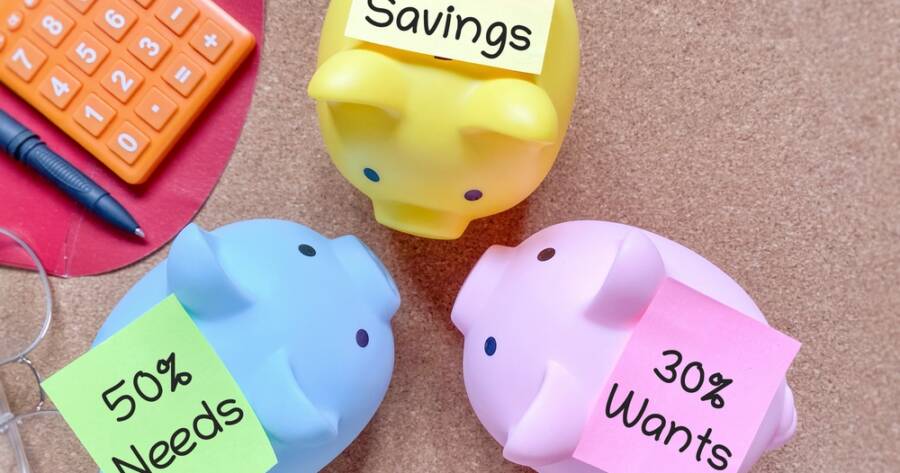
The 50/30/20 rule is a budgeting method that divides after-tax income into three parts. Fifty percent is used for needs, thirty percent for wants, and twenty percent for savings or debt repayment. This structure helps create a clear plan for where money should go each month.
The strength of this method lies in its simplicity. Instead of tracking every small expense, users focus on staying within these general limits. This makes budgeting easier to maintain over time, especially for beginners who may feel unsure about managing their finances.
What Counts as Needs
Needs are the most important expenses and usually take up about half of monthly income. These include housing, utilities, groceries, transportation, and basic insurance. These are costs that are necessary for daily living and cannot easily be avoided.
It is important to review these expenses carefully. If needs take up more than half of income, it may be helpful to look for ways to reduce costs. This could include adjusting housing choices, limiting utility use, or finding more affordable options for everyday essentials. Keeping needs within this range helps leave room for savings and other goals.
Understanding Wants and Lifestyle Spending
Wants include non-essential spending that improves quality of life. This can include dining out, entertainment, shopping, and travel. While these expenses are not required, they can still be an important part of enjoying life.
The 30 percent limit helps prevent overspending in this category. It encourages balance by allowing room for fun while still keeping finances under control. If spending in this area becomes too high, it can reduce the ability to save or cover important needs. Tracking these expenses can help maintain a healthy balance.
Building Savings and Paying Down Debt
The final 20 percent of income is focused on savings and debt repayment. This includes contributions to savings accounts, retirement funds, and paying off loans such as credit cards or student debt. This portion is key to long-term financial stability.
Even small, regular contributions can make a difference over time. Building savings helps prepare for emergencies, while paying down debt reduces financial stress. Staying consistent with this part of the budget can lead to greater financial security and more options in the future.
Adjusting the Rule to Fit Your Situation
While the 50/30/20 rule provides a helpful guide, it may need to be adjusted based on personal circumstances. In some areas of the United States, housing costs may be higher, which can affect how income is divided. Others may choose to save more than 20 percent if they have specific financial goals.
The key is to use the rule as a starting point rather than a strict limit. Small adjustments can make the system more realistic and easier to follow. The goal is to create a plan that supports both current needs and future goals without causing stress.
Tools That Can Help Track Your Budget
Many people find it easier to follow the 50/30/20 rule with the help of budgeting tools. Mobile apps, online banking features, and simple spreadsheets can all be used to track income and expenses. These tools help show where money is going and whether spending stays within each category.
Automatic transfers can also support this system. For example, setting up automatic savings can ensure that the 20 percent portion is set aside before it is spent. Using tools like these can make the process smoother and help build strong financial habits over time.
Creating Long-Term Financial Habits
Following the 50/30/20 rule is not just about managing one month of income. It can also help build long-term habits that support financial health. By consistently dividing income in this way, individuals learn to balance spending, saving, and planning.
Over time, these habits can lead to greater confidence in managing money. People may find it easier to handle unexpected expenses, plan for large purchases, and work toward financial goals. The simplicity of the rule makes it easier to stick with, even as life changes.
A Simple Path to Better Money Management
The 50/30/20 rule offers a clear and practical way to manage monthly income. By dividing money into needs, wants, and savings, it creates a balanced approach that is easy to follow.
With small adjustments and consistent effort, this method can help build stronger financial habits and support long-term stability. For many people, it provides a simple path toward better control and greater confidence in their finances.