

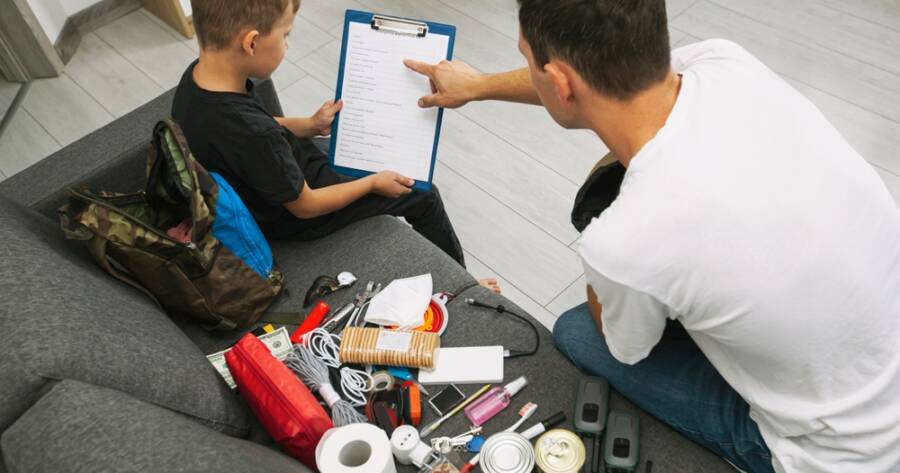
Emergencies can happen with little warning. Severe storms, power outages, and other unexpected events can interrupt daily life and make it difficult to access basic supplies. Having an emergency kit ready at home can help families stay safe and prepared during unpredictable situations. A well-organized kit provides essential items such as food, water, and medical supplies when normal services are unavailable. With a little planning, households can create a reliable emergency kit that supports the whole family.
Water and Food Supplies for Short-Term Emergencies
One of the most important parts of any emergency kit is a supply of water and food. During a power outage or severe storm, stores may close and clean drinking water may not be immediately available. Keeping bottled water stored in a safe location helps ensure that the household has access to drinking water when needed.
Nonperishable food is also essential. Items such as canned goods, peanut butter, packaged snacks, and ready-to-eat meals can provide quick nutrition during an emergency. Foods that require little or no preparation are often the most useful. A manual can opener should also be included in the kit so canned items can be opened without electricity.
It is helpful to check food and water supplies regularly. Replacing items before they expire helps ensure the kit remains ready for use whenever it is needed.
First Aid and Medical Supplies
A well-stocked first aid kit is another important part of an emergency supply system. Minor injuries such as cuts, scrapes, or burns can happen during stressful situations, especially when normal medical services are harder to reach.
Basic first aid kits often include adhesive bandages, gauze, antiseptic wipes, and medical tape. Households may also want to include items such as disposable gloves, tweezers, and a digital thermometer. These tools can help manage small injuries until professional care becomes available.
Families should also consider personal medical needs. Prescription medications, inhalers, or other essential health supplies may need to be stored in a safe and accessible place. Keeping a written list of medications and dosages can also be helpful in case medical care is needed away from home.
Lighting, Batteries, and Communication Tools
Power outages are common during many emergencies, which makes lighting tools very important. Flashlights are safer than candles and provide reliable light when electricity is unavailable. It is a good idea to keep several flashlights in different parts of the home.
Extra batteries should also be stored in the emergency kit. These batteries may be needed for flashlights, radios, or other devices. A battery-powered or hand-crank radio can provide weather updates and emergency information when internet or television service is not available.
Communication tools are also important. Fully charged portable phone chargers or power banks can help keep mobile phones working during extended outages. Staying informed and connected helps families respond more effectively to changing situations.
Personal Items and Important Documents
Emergency kits should also include personal items that support daily needs. Basic hygiene supplies such as hand sanitizer, soap, and wet wipes can help maintain cleanliness when running water is limited. Items such as blankets or warm clothing may also be helpful during cold weather emergencies.
Another important step is protecting important documents. Copies of identification cards, insurance papers, and medical records can be stored in a waterproof folder inside the emergency kit. These documents may be needed if a family must leave home temporarily.
Families with young children or pets may also need to add extra supplies. Diapers, baby formula, pet food, and comfort items can make stressful situations easier to manage for both children and animals.
Choosing the Right Storage Location
An emergency kit should be stored in a place that is easy to reach during a crisis. Many families keep their main kit in a hallway closet, garage shelf, or another central area of the home. The storage container should be strong enough to protect supplies from moisture or damage.
Clear storage bins or labeled containers can make it easier to find items quickly. Some families also create smaller portable kits that can be taken during an evacuation. These may include basic supplies that fit into a backpack or travel bag.
Checking the kit once or twice each year helps ensure everything remains in good condition. Batteries can be replaced, food can be refreshed, and any missing items can be added.
Preparation Brings Peace of Mind
Preparing a family emergency kit is a practical step that can make a big difference during unexpected events. By storing water, food, medical supplies, lighting tools, and important documents in one organized location, households can respond more calmly to emergencies.
Regularly reviewing and updating the kit keeps it ready for future situations. With a thoughtful plan in place, families can face difficult moments with greater confidence and security.