

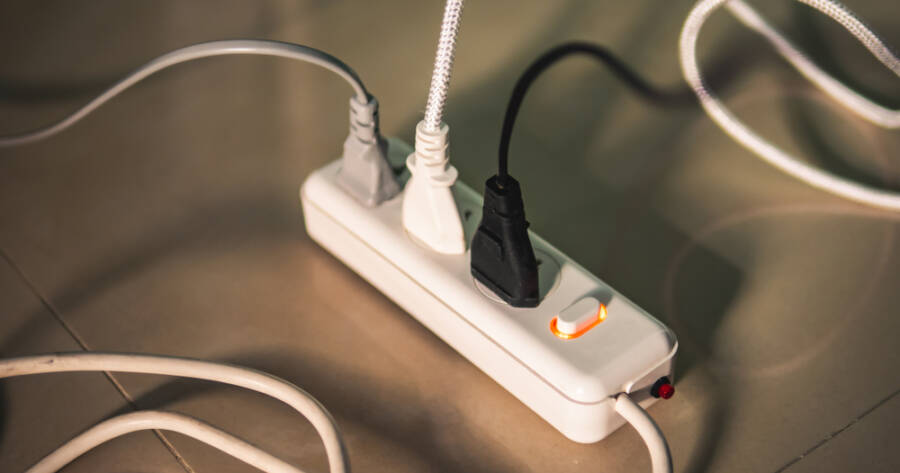
Managing screen time can be a challenge for many families. Phones, tablets, gaming consoles, and televisions are common in most homes, and children often want to use them throughout the day. While technology can be useful for learning and entertainment, it is also important to create healthy limits. Smart plugs and outlet timers offer a simple way to manage device access, allowing parents to control when certain electronics receive power.
How Smart Plugs Work in a Family Home
Smart plugs are small devices that connect between a wall outlet and an electronic device. Once installed, the plug allows the connected device to be controlled through a mobile app or voice assistant. Parents can turn power on or off remotely and schedule when devices are allowed to operate.
For example, a television or gaming console can be connected to a smart plug. If the plug is turned off through the app, the device will not receive electricity and cannot be used. When the scheduled time arrives, the plug turns back on and power is restored.
Popular smart plug models in the United States include the TP-Link Kasa Smart Plug and the Amazon Smart Plug. These devices are widely used because they are easy to install and connect to home Wi-Fi networks. Once connected, parents gain simple control over devices that children use regularly.
Using Schedules to Create Screen Time Limits
One of the most helpful features of smart plugs is scheduling. Parents can create daily routines that automatically turn devices on or off at certain times. This allows families to build consistent screen time habits without constant reminders.
For example, a gaming console might be allowed to operate only after homework is finished in the evening. Parents can schedule the smart plug to activate during a certain time window and turn off later at night. When the schedule ends, the device simply loses power.
Morning routines can also benefit from this feature. Televisions or game systems can remain off during school preparation hours. By removing access during certain times of day, families encourage children to focus on other activities such as schoolwork, chores, or outdoor play.
Using Outlet Timers for Simple Control
In addition to smart plugs, traditional outlet timers offer another way to manage device usage. These timers plug directly into a wall outlet and include built-in controls that switch power on or off at scheduled times.
Unlike smart plugs, many outlet timers do not require Wi-Fi or mobile apps. Parents simply set the desired schedule using buttons or small switches on the device. Once programmed, the timer controls the flow of electricity automatically.
Outlet timers are often used for lamps or holiday lights, but they also work well with televisions and gaming consoles. Because the schedule runs independently, parents do not need to manually turn devices off each day. This makes timers a simple solution for families who want automatic limits without using mobile apps.
Combining Technology With Family Rules
Smart plugs and timers work best when they are part of a larger family plan for technology use. Clear rules about screen time help children understand when and how devices can be used.
For example, families may create guidelines such as no screens during meals, limited device use on school nights, or device-free hours before bedtime. When these rules are supported by smart plugs or timers, the technology reinforces the routine.
Parents can also explain how the system works so children understand that the goal is balance rather than punishment. When kids know that devices will turn off at a certain time each evening, they often adjust their habits more easily.
Encouraging Healthier Daily Routines
Limiting device access during certain hours helps create more balanced daily routines. When screens are not always available, children may spend more time reading, playing outside, or participating in family activities.
Many families find that turning off screens before bedtime improves sleep routines. When devices lose power automatically at night, children are less likely to stay up late watching videos or playing games.
Smart plugs and timers can also support homework habits. If entertainment devices are unavailable until homework is complete, children learn to focus on school responsibilities first. Over time, these routines help develop stronger time management skills.
Simple Tools That Support Healthy Technology Habits
Smart plugs and outlet timers provide families with practical tools for managing children’s screen time. By controlling when devices receive power, parents can create clear boundaries around technology use.
Scheduling features, automatic timers, and remote controls make it easier to maintain consistent routines without constant supervision. When combined with open family conversations about healthy technology habits, these simple tools can help children develop a more balanced relationship with screens.