

Busy families often juggle many daily responsibilities, from getting kids ready for school to managing meals, chores, and schedules. Smart home devices can help simplify daily routines by automating small tasks. Many modern devices connect through mobile apps or voice assistants, making them easy to control from anywhere in the home. When used together, key tools can reduce stress, improve organization, and help families manage their homes more efficiently.
Smart Speakers That Help Manage Schedules
Smart speakers are often the center of a connected home. Devices such as the Amazon Echo and Google Nest speakers allow families to control smart devices, check schedules, and set reminders using simple voice commands. These speakers can answer questions, provide weather updates, and announce reminders for upcoming events.
For families with busy schedules, reminders can be especially useful. Parents can set alerts for school drop-offs, sports practice, or homework time. Kids can also ask the speaker questions or request help with simple tasks like setting timers for studying or chores.
Many smart speakers also connect to family calendars. When a new event is added, the speaker can announce it or answer questions such as “What’s on the schedule today?” This helps everyone stay informed without needing to check a phone constantly.
Smart Displays for Shared Household Information
Smart displays add a visual screen to the features of a smart speaker. Devices such as the Amazon Echo Show and Google Nest Hub can show calendars, reminders, weather forecasts, and even video calls. These displays are often placed in kitchens or living rooms where families gather.
One helpful feature is the ability to show shared calendars and to-do lists. Parents and children can quickly see what activities are planned for the day. Some displays also allow family members to leave digital notes for each other, similar to a message board.
Smart displays can also help during cooking or meal preparation. They can show step-by-step recipes, play music, or set timers while meals are being prepared. These simple tools help keep the kitchen organized during busy parts of the day.
Smart Lighting That Supports Daily Routines
Smart lighting systems allow homeowners to control lights through mobile apps or voice commands. Products such as Philips Hue bulbs or LIFX smart lights can be scheduled to turn on or off automatically. This helps families maintain consistent routines without needing to manually adjust switches.
For example, lights can gradually turn on in the morning to help everyone wake up for school or work. In the evening, lights can dim automatically to signal that it is time to relax or prepare for bedtime.
Smart lighting can also improve safety and convenience. Parents can turn on lights in hallways or entryways before arriving home. Some systems also allow lights to turn on automatically when motion is detected, which can be helpful during nighttime trips through the house.
Smart Plugs That Automate Everyday Devices
Smart plugs are small devices that connect between an outlet and an appliance. Once connected, the appliance can be controlled through a mobile app or voice assistant. This allows families to automate everyday electronics without replacing them.
For example, a lamp connected to a smart plug can turn on automatically in the evening. Coffee makers or fans can also be placed on schedules that match the household routine. If someone forgets to turn off a device, it can often be controlled remotely from a phone.
Many smart plugs also include timers and usage tracking features. This makes them useful for managing devices that run regularly throughout the day. Because smart plugs are easy to install, they are often one of the first smart devices families try.
Smart Thermostats That Manage Comfort Automatically
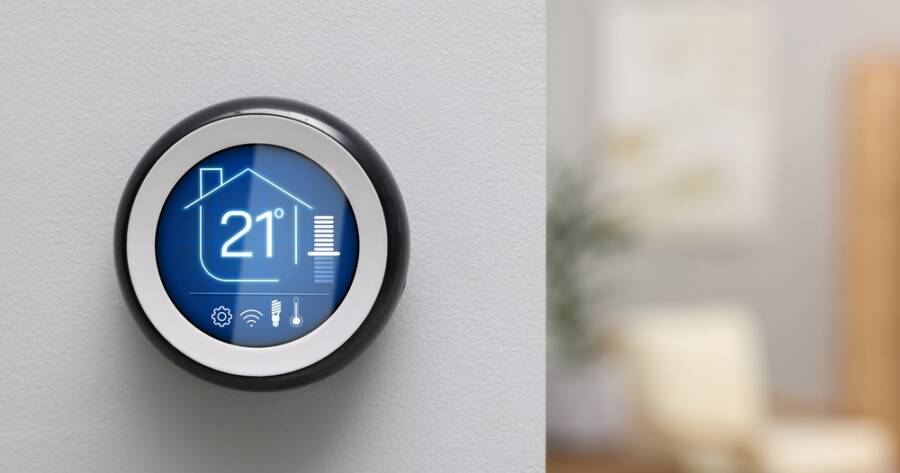
Smart thermostats help families control heating and cooling more efficiently. Devices such as the Google Nest Thermostat and the ecobee Smart Thermostat can adjust temperatures automatically based on schedules or household activity.
Families can program the thermostat to lower heating or cooling when everyone leaves for school and work. When people return home, the system can adjust the temperature again to keep the house comfortable.
Many smart thermostats can also be controlled through mobile apps. If a family member forgets to change the temperature before leaving the house, it can be adjusted remotely. Over time, these devices learn household routines and make automatic adjustments that simplify daily comfort management.
Smart Devices That Make Family Life Easier
Smart home devices are designed to handle small tasks that normally take time and attention. Smart speakers help manage schedules, smart displays organize family information, and smart lighting supports daily routines.
Smart plugs and thermostats add automation that makes homes easier to manage. When these devices work together, they reduce everyday stress and create a more organized household environment for busy families.