

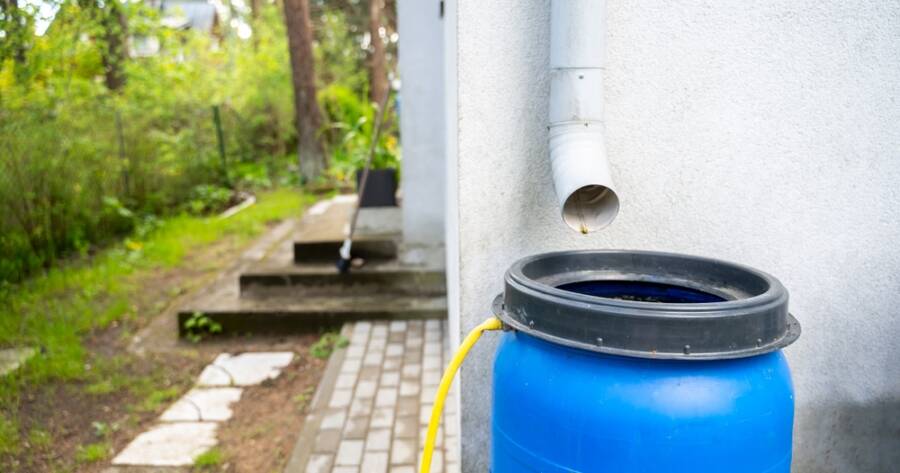
Backyard gardens need regular watering to stay healthy, especially during dry periods. Many gardeners rely on outdoor faucets and hoses, but rainwater collection offers a simple and natural alternative. Rain that falls on a roof can be captured and stored for later use in the garden. With a few basic tools, homeowners can build a system that collects water during storms and saves it for plants when the weather turns dry. Understand how rainwater storage is simple, practical, and helpful for many home gardens.
How Rain Barrels Collect Water From Your Roof
The most common rainwater collection system for home gardens is the rain barrel. A rain barrel is a container placed beneath a downspout that collects rainwater flowing from the roof. Instead of allowing the water to run into the ground or a storm drain, the barrel stores it for later use.
Many rain barrels include a screened opening at the top to keep out leaves and insects. A spigot near the bottom allows gardeners to fill watering cans or connect a hose. Some barrels also include an overflow outlet that directs excess water away from the house during heavy rain.
Rain barrels are widely available from garden centers and home improvement stores. Some homeowners also build their own using food-grade containers designed for water storage. Once installed, the system begins collecting water whenever it rains.
Linking Multiple Barrels for More Storage
A single rain barrel can fill quickly during a strong storm. For gardeners who want to store more water, connecting several barrels together is a simple solution. This setup is often called a linked or chained rain barrel system.
In this arrangement, the first barrel collects water from the downspout. When that barrel fills, water flows through a connecting hose into the next barrel. This process continues through each container in the system.
Linking barrels allows homeowners to store a larger amount of rainwater without installing a more complex system. It also helps ensure that heavy rainfall is captured instead of overflowing and running off the property. For gardens with several planting beds, extra storage can provide water during dry weeks.
Using Downspout Diverters for Better Control
Downspout diverters are small devices that help direct rainwater into a rain barrel. They are installed within the downspout and guide some of the water into a collection container. When the barrel becomes full, the diverter sends the rest of the water back into the normal drainage path.
This design helps prevent overflow and keeps water moving safely away from the home’s foundation. Diverters also make it easier to remove or disconnect a rain barrel when needed.
Several manufacturers produce downspout diverters designed for residential systems. These devices can often be installed using simple tools and do not require major changes to the home’s gutter system. With a diverter in place, rainwater collection becomes more controlled and easier to manage.
Using Collected Rainwater in the Garden
Once rainwater is stored, it can be used in several ways around the garden. The most common method is filling watering cans from the rain barrel spigot. This allows gardeners to water flower beds, vegetables, and container plants using stored rainwater.
Some homeowners attach a garden hose to the barrel spigot for easier watering. In certain cases, gravity can provide enough pressure to run a drip irrigation line. Elevating the barrel on a sturdy platform can improve water flow when using hoses or drip systems.
Rainwater is often well suited for plants because it does not contain added chemicals sometimes found in treated tap water. Many gardeners find that plants respond well to natural rainwater, especially during hot summer months.
Important Safety and Maintenance Tips
Rainwater collection systems require simple maintenance to keep them working properly. Screens on the barrel opening should be checked regularly to make sure leaves and debris do not block the flow of water. Cleaning the screen helps maintain good water movement from the downspout.
Barrels should also be emptied before winter in colder parts of the United States. Water left inside may freeze and damage the container. Draining the barrel and storing it or disconnecting it from the downspout helps protect the system.
Mosquito prevention is another important step. Most rain barrels include mesh screens that prevent insects from entering the water. Keeping the barrel sealed and properly screened helps maintain a safe and clean system.
A Simple Way to Support a Healthy Garden
Rainwater collection systems offer an easy way to support backyard gardens while making use of natural rainfall. Simple tools such as rain barrels, linked storage containers, and downspout diverters allow homeowners to capture water that would otherwise be lost.
Once installed, these systems provide a steady supply of water for plants during dry periods. With minimal maintenance, rainwater collection can become a helpful and reliable part of everyday garden care.