

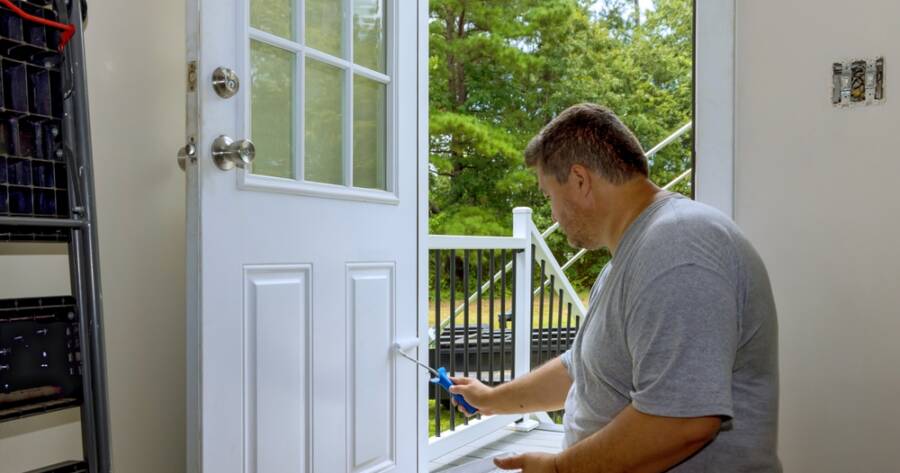
Improving your home does not always require large renovations or major construction. In many cases, small and thoughtful upgrades can make a lasting difference in both comfort and property value. Homeowners in the United States often focus on big projects, but smaller changes can be easier to manage and still deliver strong results over time. By focusing on practical improvements, you can enhance your home’s appeal, reduce maintenance issues, and support its long-term value.
Focus on Curb Appeal First
The outside of your home is the first thing people notice, and it plays a major role in how the property is perceived. Simple upgrades like fresh paint on the front door, updated house numbers, or improved outdoor lighting can create a cleaner and more welcoming look. Even basic landscaping, such as trimming bushes or planting low-maintenance greenery, can make a noticeable difference.
Curb appeal improvements do more than create a good first impression. They signal that the home is well cared for, which can increase confidence for future buyers. Over time, maintaining a clean and attractive exterior helps protect the overall value of the property and can make it stand out in a competitive market.
Upgrade Lighting and Fixtures
Lighting is often overlooked, but it has a strong impact on how a home feels. Replacing outdated light fixtures with modern, energy-efficient options can brighten spaces and improve both function and appearance. Simple changes like adding brighter bulbs or installing dimmer switches can make rooms feel more comfortable and flexible.
Other small fixture updates, such as replacing cabinet handles, faucets, or door hardware, can also refresh a space without major effort. These details may seem minor, but they help create a more updated and cohesive look throughout the home. Over time, these improvements can contribute to a higher perceived value.
Improve Energy Efficiency
Energy efficiency is an important factor for many homeowners and buyers. Small upgrades that reduce energy use can improve comfort while also lowering long-term operating costs. Sealing gaps around windows and doors, adding weather stripping, or upgrading insulation in key areas can make a home more efficient.
Switching to LED lighting or installing a programmable thermostat are other simple steps that can have a lasting impact. These upgrades are often easy to complete and do not require major changes to the structure of the home. Over time, energy-efficient features can make a property more attractive and help support its value.
Refresh Key Living Spaces
Kitchens and bathrooms are two areas that often influence how a home is valued. While full remodels can be expensive, smaller updates in these spaces can still create a strong impact. Repainting cabinets, updating backsplashes, or replacing outdated fixtures can give these rooms a more modern feel.
Even simple changes like re-caulking, deep cleaning, or adding new storage solutions can improve both function and appearance. These upgrades show attention to detail and can make everyday use more enjoyable. When done thoughtfully, they help keep important areas of the home current without requiring large investments.
Stay Consistent With Maintenance
One of the most effective ways to protect property value is to stay on top of regular maintenance. Small issues, if left unattended, can grow into larger problems over time. Fixing leaks, repairing minor damage, and keeping systems in good working order helps prevent costly repairs in the future.
Consistent maintenance also supports the overall condition of the home. A well-maintained property is more likely to hold its value and appeal to buyers if you decide to sell. By addressing small problems early, you reduce risk and keep your home in strong shape over the long term.
Choose Upgrades That Fit the Home
Not every upgrade adds value, so it is important to choose changes that match the style and function of your home. Improvements should feel natural and consistent with the rest of the space. For example, simple and practical updates often have broader appeal than highly customized features.
Focusing on upgrades that improve usability and comfort can provide the best long-term results. When changes are aligned with how the home is used, they are more likely to be appreciated by both current occupants and future buyers. This approach helps ensure that your efforts support lasting value.
Small Changes, Lasting Impact
Small home upgrades can play a powerful role in improving long-term property value. By focusing on practical improvements, maintaining your home, and making thoughtful updates, you can create a space that remains attractive and functional over time.
These changes do not need to be complex or expensive to be effective. With consistent effort and smart choices, even small improvements can lead to lasting benefits for both your home and your financial future.