

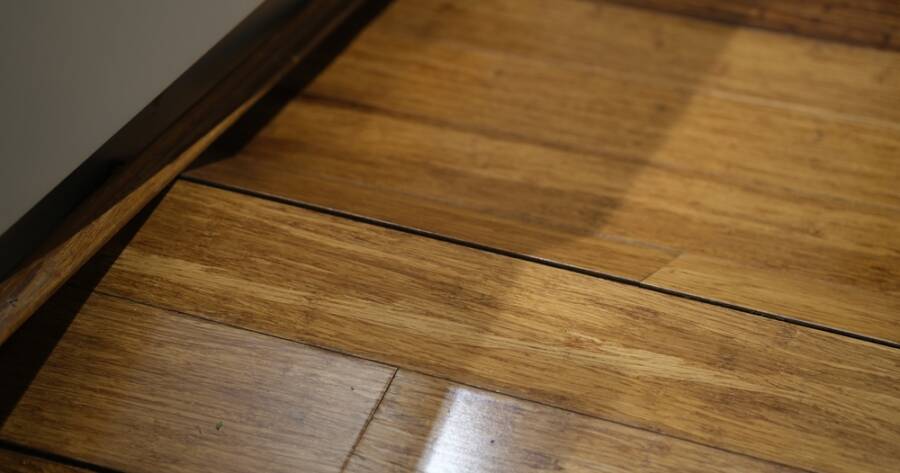
Uneven floors are common in older homes, but determining whether they indicate normal settling or a more serious structural problem isn’t always straightforward. Sloping hardwood, sagging floorboards, and noticeable dips can develop for several reasons, including moisture damage, weakened supports, and foundation movement. Some problems can be corrected with relatively simple repairs, while others require professional evaluation. Learning how to identify the underlying cause is essential before attempting to level a floor or install new flooring materials.
Identify Where and How the Floor Is Uneven
Before attempting repairs, determine whether the floor slopes gradually across a room or contains isolated dips and raised sections. These differences can provide useful clues about the underlying problem. A gradual slope may reflect historic settlement, while localized sagging could indicate damaged subflooring or weakened floor joists.
Place a long carpenter’s level or straightedge across the floor in several directions. Look for gaps beneath the straightedge, which indicate low spots, and check whether it rocks over raised areas. A laser level can provide more precise measurements across larger rooms. Mark the uneven areas with painter’s tape and record their locations and measurements for comparison.
Repeat your measurements periodically if you suspect the unevenness is worsening. Changes over time are particularly important because they may indicate ongoing movement rather than an old, stable irregularity.
Check for Damaged Floor Joists and Subflooring
Floor joists are structural members that support the subfloor and finished flooring. Over time, moisture exposure, excessive loads, improper modifications, or deterioration can weaken these components and contribute to sagging or uneven surfaces.
If your home has an accessible basement or crawl space, inspect the underside of the affected floor with a flashlight. Look for cracked joists, darkened or softened wood, water stains, and visible separation between structural components. Bouncy floors, persistent squeaking, and gaps along baseboards may also suggest problems with the supporting structure.
Avoid entering unsafe crawl spaces or disturbing damaged supports. If you discover significant deterioration, have a qualified contractor or structural engineer evaluate the framing before attempting repairs. Covering the problem with new flooring won’t restore weakened structural components.
Look for Foundation Settlement and Structural Movement
Older homes sometimes develop uneven floors because sections of the foundation settle differently over time. Soil conditions, drainage problems, and changes to the building’s structure can contribute to movement. However, a sloping floor doesn’t automatically mean the foundation is failing.
Examine foundation walls for new or widening cracks, and check whether doors and windows have become difficult to operate. Gaps between walls and floors, distorted doorframes, or noticeable changes in floor slope deserve closer investigation. Take photographs and record measurements when these conditions appear.
If the unevenness is progressing or several warning signs occur together, arrange a professional structural assessment. Repairs may involve foundation stabilization, reinforcing supports, or correcting drainage conditions. The appropriate solution depends on the actual cause, not simply the appearance of the floor.
Address Moisture Before Repairing the Flooring
Moisture is another common contributor to uneven flooring, particularly in older homes with damp basements or crawl spaces. Water exposure can cause wooden materials to swell, warp, or deteriorate, gradually changing the shape of the finished floor.
Inspect plumbing connections, nearby appliances, exterior drainage, and accessible areas beneath the affected room. Look for musty odors, condensation, staining, or evidence of previous leaks. Moisture entering through crawl-space soil can contribute to mold and deterioration in floor joists and other wooden components.
Repair leaks and address drainage problems before replacing damaged flooring. Depending on the conditions, improvements might include a properly installed crawl-space vapor barrier, better exterior grading, or dehumidification. New flooring installed over persistently damp materials may eventually develop similar problems.
Level Minor Surface Irregularities
When the structure is sound and the unevenness involves relatively shallow surface imperfections, localized repairs may be sufficient. Loose floorboards can sometimes be refastened, while damaged underlayment may need replacement.
For suitable subfloors, patching compounds or self-leveling underlayment can smooth depressions before new flooring is installed. However, products differ in their compatibility with concrete, plywood, and other materials. Proper cleaning, priming, and application thickness are important for achieving reliable results.
Do not use leveling compounds to conceal structural sagging. Before beginning, check the flooring manufacturer’s flatness requirements. In older homes, also consider potential asbestos-containing flooring materials and lead-based paint. Suspect materials should be assessed before renovation work disturbs them.
Repair or Reinforce Weakened Floor Supports
When uneven floors result from damaged joists or inadequate structural support, surface leveling alone cannot correct the problem. Depending on the cause, repairs may involve reinforcing existing joists, replacing deteriorated framing, or installing additional structural supports.
One technique, called sistering, involves securing a new structural member alongside an existing joist to improve its strength and stiffness. Blocking between joists may also improve floor rigidity in suitable circumstances. However, these methods require proper sizing, attachment, and evaluation of the surrounding structure.
Significant structural work should be designed or reviewed by a qualified professional. Attempting to raise a severely sagging floor without understanding the load path can damage walls, finishes, plumbing, or other building components.
Restoring a Safer, More Even Floor
Fixing uneven floors begins with identifying why the surface has changed. Minor irregularities may require only localized adjustments, while moisture damage, failing supports, or foundation movement can demand more extensive repairs.
Start with careful measurements, inspect accessible structural components, and investigate warning signs before selecting a repair method. Addressing underlying problems first helps prevent repeated damage and unnecessary expenses. With an accurate diagnosis and an appropriate repair plan, homeowners can improve their floors while preserving the character and structural integrity of an older property.