

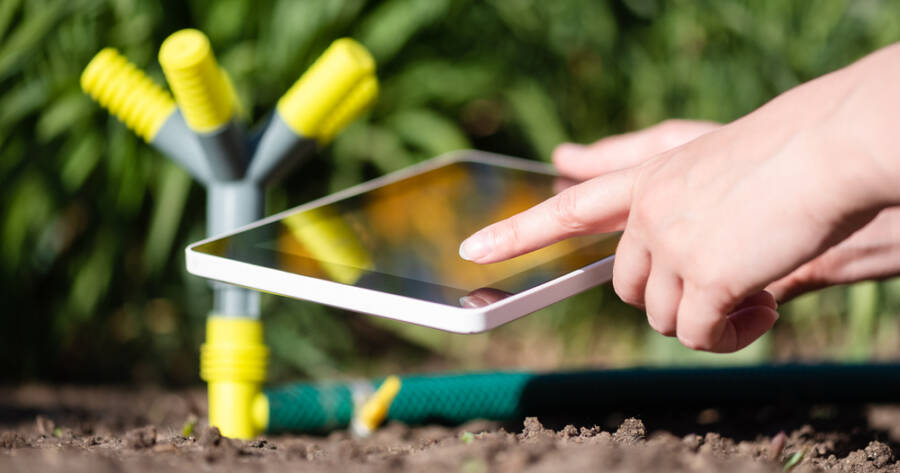
Keeping a lawn green and healthy takes regular watering, but many homeowners struggle to keep a consistent schedule. Busy routines, changing weather, and simple forgetfulness often lead to lawns that are either too dry or overwatered. Smart irrigation systems are designed to solve the problem. Top systems use timers, sensors, and mobile apps to manage watering automatically. With the right setup, homeowners can keep their lawns healthy while also reducing wasted water and unnecessary effort.
How Smart Irrigation Controllers Work
At the center of most smart irrigation systems is a device called a smart controller. This controller replaces or upgrades the traditional timer that runs a sprinkler system. Instead of watering on a fixed schedule, the controller adjusts watering times based on real conditions.
Many smart controllers connect to home Wi-Fi and gather local weather information. If rain is expected or the soil is already moist, the system may delay watering. If the weather becomes hotter and drier, it can increase watering time to help the lawn stay healthy.
Several well-known products are available in the United States. The Rachio Smart Sprinkler Controller and the Orbit B-hyve Smart Controller are two common examples. These devices allow homeowners to manage watering schedules through a mobile app. The result is a system that reacts to weather conditions instead of following a rigid timer.
Weather-Based Watering Helps Prevent Waste
Traditional sprinkler timers often water the lawn even when it is not needed. This can happen after heavy rain or during cooler days when the grass uses less water. Smart irrigation systems reduce this problem by using weather-based adjustments.
Many controllers connect to weather services that provide local forecasts. When rain is expected, the system can skip the scheduled watering cycle. Some systems also adjust watering based on temperature, wind, and humidity.
This type of smart scheduling helps protect the lawn from both underwatering and overwatering. Grass receives the amount of water it actually needs rather than following a fixed routine. Over time, this approach supports healthier grass while reducing unnecessary water use.
Soil and Rain Sensors Add Extra Accuracy
Some irrigation systems include sensors that provide more direct information about lawn conditions. Soil moisture sensors are placed in the ground and measure how wet the soil actually is. When the soil already contains enough moisture, the system may delay watering until the ground becomes drier.
Rain sensors serve a similar purpose. These small devices detect rainfall and automatically stop the sprinkler system during or after a storm. This prevents sprinklers from running while the lawn is already receiving natural water.
By combining sensors with a smart controller, homeowners can create a system that reacts to real conditions instead of relying only on scheduled timers. This extra layer of control helps maintain a healthier lawn while avoiding wasted water.
Mobile Apps Make Lawn Care Easier
Another advantage of smart irrigation systems is the ability to control them through mobile apps. Many systems allow homeowners to check or adjust watering schedules from anywhere. If someone notices that the lawn needs more water during a heat wave, they can update the schedule through the app.
Apps often provide useful information about watering activity. Homeowners can see when the system last watered the lawn and how long each zone ran. Some apps also provide suggestions to improve watering patterns based on local weather conditions.
Voice assistants such as Amazon Alexa or Google Assistant may also work with certain irrigation systems. This allows homeowners to start or stop watering using simple voice commands. These features make lawn care easier to manage, especially for people with busy schedules.
Smart Zoning Improves Water Distribution
Many smart irrigation systems also allow homeowners to divide their yard into separate watering zones. Each zone can be programmed with different watering schedules based on the needs of the plants or grass located there. For example, shaded areas of a lawn often require less water than areas that receive full sunlight throughout the day. Flower beds, garden areas, and newly planted grass may also need different watering patterns than established turf.
By customizing irrigation zones, homeowners avoid applying the same amount of water across the entire yard. This targeted approach helps prevent water from pooling in low-use areas while ensuring that plants with higher water needs receive enough moisture. Over time, zoning improves overall lawn health and allows irrigation systems to operate more efficiently.
A Simpler Way to Maintain a Healthy Lawn
Smart irrigation systems offer a modern way to care for lawns without constant attention. By using weather data, soil sensors, and automated schedules, these systems deliver water only when it is needed. Homeowners can monitor and adjust settings through mobile apps while the system handles the daily work.
Over time, this approach helps lawns stay healthy while reducing wasted water and unnecessary effort. With the right setup, maintaining a green lawn becomes much easier and more consistent.