

Many homes lose energy every day without the owner noticing. Lights stay on, heating and cooling systems run longer than needed, and older appliances use more power than newer models. Over time, energy waste quietly raises monthly utility bills. The good news is that several smart home upgrades can help control energy use. With a few practical changes, homeowners can reduce waste, improve comfort, and make their homes more efficient without major renovations.
Smart Thermostats That Manage Heating and Cooling
Heating and cooling often use more energy than any other system in the home. A smart thermostat can help manage this by adjusting the temperature automatically based on daily routines. Devices such as the Google Nest Thermostat and the ecobee Smart Thermostat learn when people are home and when they are away. This helps prevent the system from running when it is not needed.
Many smart thermostats can also be controlled from a phone. If someone forgets to adjust the temperature before leaving the house, they can do it remotely. Some models also provide energy reports that show how heating and cooling habits affect energy use. Over time, these tools help homeowners find simple ways to reduce waste while keeping the home comfortable.
LED Lighting and Smart Light Controls
Lighting is another area where homes often waste energy. Older bulbs use more power and burn out faster than modern LED bulbs. Replacing traditional bulbs with LED lighting can reduce electricity use while still providing bright and reliable light. LEDs also last much longer, which means fewer replacements over time.
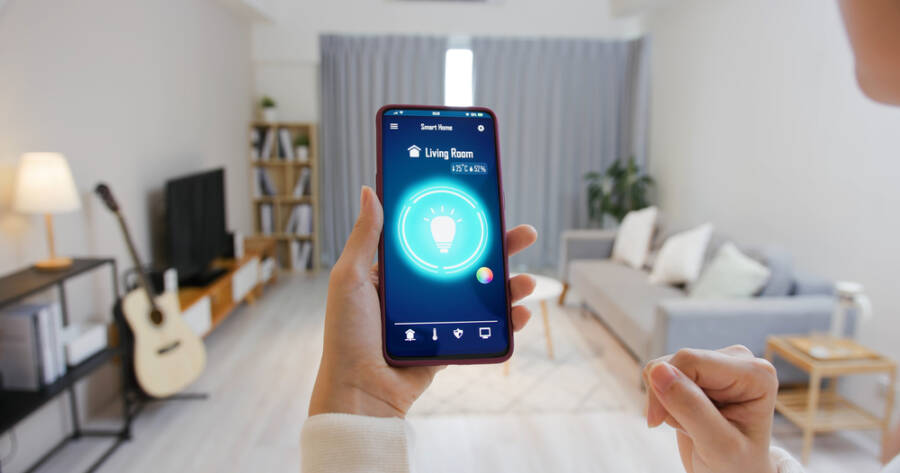
Smart lighting systems can improve efficiency even more. Products such as Philips Hue or LIFX smart bulbs allow homeowners to control lighting through mobile apps or voice assistants. Lights can be scheduled to turn off automatically at certain times or when rooms are empty. Motion sensors are also useful in spaces like hallways, garages, and bathrooms where lights are often left on by accident.
Smart Power Strips That Reduce Phantom Energy Use
Many electronic devices continue to draw power even when they are turned off. This is often called phantom energy use. Televisions, gaming consoles, and computer equipment are common examples. Smart power strips help reduce this waste by shutting off power to devices that are not in use.
Unlike traditional power strips, smart versions can detect when a main device is turned off and then cut power to other connected electronics. For example, when a television is turned off, the power strip can automatically shut down connected speakers or media players. This prevents electronics from quietly using electricity all day and night.
Smart Plugs for Everyday Appliances
Smart plugs are small devices that connect between a wall outlet and an appliance. They allow homeowners to control power use through a mobile app or voice command. These plugs work well with common household items such as coffee makers, lamps, fans, and space heaters.
One advantage of smart plugs is scheduling. A lamp can turn off automatically at bedtime, or a fan can run only during certain hours. Some smart plugs also track energy use, which helps homeowners understand which devices use the most electricity. This information can guide future energy-saving decisions.
Energy-Efficient Appliances That Use Less Power
Older appliances often use far more electricity than newer models. Refrigerators, dishwashers, and washing machines run frequently, so even small improvements in efficiency can make a difference over time. Modern appliances are designed to perform the same tasks while using less energy and water.
Many energy-efficient appliances are certified by ENERGY STAR, a program run by the U.S. Environmental Protection Agency and the Department of Energy. These products meet specific efficiency standards and are widely available through major appliance retailers. When older appliances need to be replaced, choosing energy-efficient models can help reduce long-term utility costs.
Small Upgrades That Add Up Over Time
Reducing home energy waste does not always require large renovations. Simple upgrades such as smart thermostats, LED lighting, smart plugs, and efficient appliances can make a noticeable difference in how a home uses electricity.
Each change helps limit unnecessary energy use throughout the day. When combined, these improvements create a more efficient home that is easier to manage and less expensive to operate over time.