

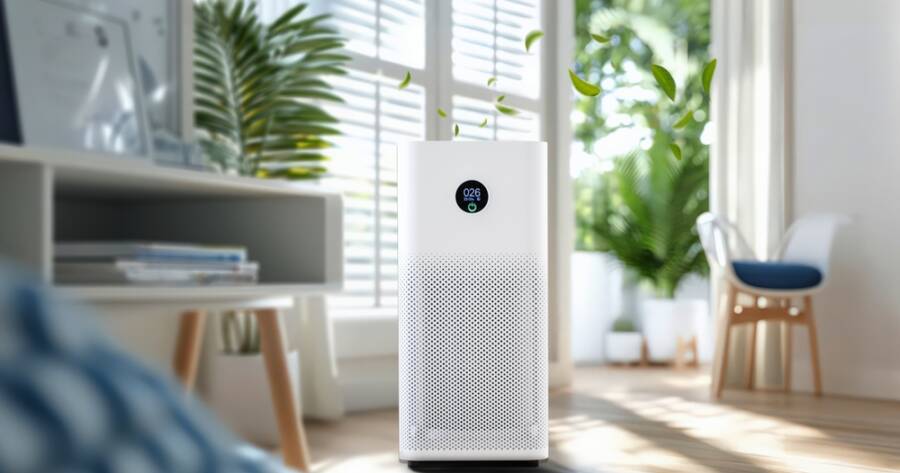
Many people think about outdoor pollution, but the air inside a home also affects comfort and health. Dust, pet hair, cooking smoke, and seasonal allergens can all build up indoors. Because modern homes are tightly sealed for energy efficiency, small particles may remain inside longer than expected. Fortunately, several simple products can help improve indoor air quality. With the right tools, homeowners can reduce airborne particles and create a cleaner and more comfortable living space.
Air Purifiers That Capture Dust and Allergens
Air purifiers are one of the most common tools used to improve indoor air quality. These devices pull air through a filter that traps dust, pollen, and other particles before releasing cleaner air back into the room. Many modern air purifiers use HEPA filters, which are designed to capture very small particles.
Several widely available products include the Levoit Core series air purifiers and the Honeywell HPA series. These units are commonly used in bedrooms, living rooms, and home offices where people spend the most time. When placed in a central location, an air purifier can help reduce visible dust and improve overall air circulation.
Regular filter replacement is important for maintaining good performance. When filters become full of dust and debris, the purifier may struggle to move air effectively. Following the manufacturer’s replacement schedule helps keep the system working properly.
HVAC Air Filters That Improve Whole-Home Air Quality
Most homes in the United States use a heating and cooling system that circulates air through vents. These systems include air filters that trap dust and particles before the air moves through the home. Upgrading to a high-quality HVAC filter can make a noticeable difference in indoor air quality.
Filters are often rated by a system called MERV, which stands for Minimum Efficiency Reporting Value. Higher MERV ratings generally capture smaller particles. Many homeowners choose filters that balance strong filtration with proper airflow through the system.
Replacing HVAC filters on a regular schedule helps maintain airflow and keeps dust from building up in ducts. Because these filters work with the entire heating and cooling system, they help improve air quality throughout the home rather than in a single room.
Dehumidifiers That Reduce Moisture and Mold
Indoor humidity levels can strongly affect air quality. When air becomes too humid, moisture can collect in areas such as basements, bathrooms, or laundry rooms. This environment may encourage mold growth and unpleasant odors.
Dehumidifiers remove excess moisture from the air by drawing in humid air and collecting the water in a removable tank. Once moisture levels are reduced, the air often feels more comfortable and dry.
Products such as the Frigidaire Dehumidifier series and GE Energy Star dehumidifiers are commonly used in American homes. These devices are often placed in basements or damp areas where humidity levels are highest. By lowering moisture in the air, dehumidifiers help prevent mold and improve overall air quality.
Carbon Monoxide and Air Quality Monitors
Monitoring devices play an important role in maintaining safe air indoors. Carbon monoxide detectors are already required in many homes because carbon monoxide is a colorless and odorless gas that can be dangerous if it builds up indoors.
In addition to carbon monoxide alarms, many homeowners now use indoor air quality monitors. These devices measure factors such as airborne particles, humidity, and sometimes carbon dioxide levels. Popular examples include the Airthings indoor air monitor and similar smart sensors.
These monitors provide real-time information about air conditions inside the home. Some models connect to mobile apps that display readings and trends over time. With this information, homeowners can identify problems such as high humidity or poor ventilation and take action to improve air quality.
Ventilation Fans That Remove Stale Air
Proper ventilation is another key part of maintaining clean indoor air. Kitchens and bathrooms often produce moisture, smoke, and odors that should be removed quickly. Ventilation fans help move this air outside before it spreads through the home.
Range hoods above kitchen stoves are designed to capture cooking smoke and grease particles. Bathroom exhaust fans remove steam from showers and help reduce humidity levels that can lead to mold.
Many modern ventilation fans operate quietly while moving a steady flow of air. When used regularly, they help keep indoor air fresher and prevent pollutants from building up in enclosed spaces.
Small Tools That Help Create Cleaner Indoor Air
Improving indoor air quality does not always require major changes to a home. Simple products such as air purifiers, HVAC filters, dehumidifiers, air monitors, and ventilation fans can work together to reduce airborne particles and control moisture.
Each product plays a different role in keeping indoor air clean and comfortable. With regular use and basic maintenance, these tools can help create a healthier living environment for everyone in the household.